Kisa Program | Health Sessions| 21st August 2025
The classroom is quiet, but the questions are not. One by one, girls begin to raise their hands. Some are shy, some are nervous, but all of them want to understand their bodies better.
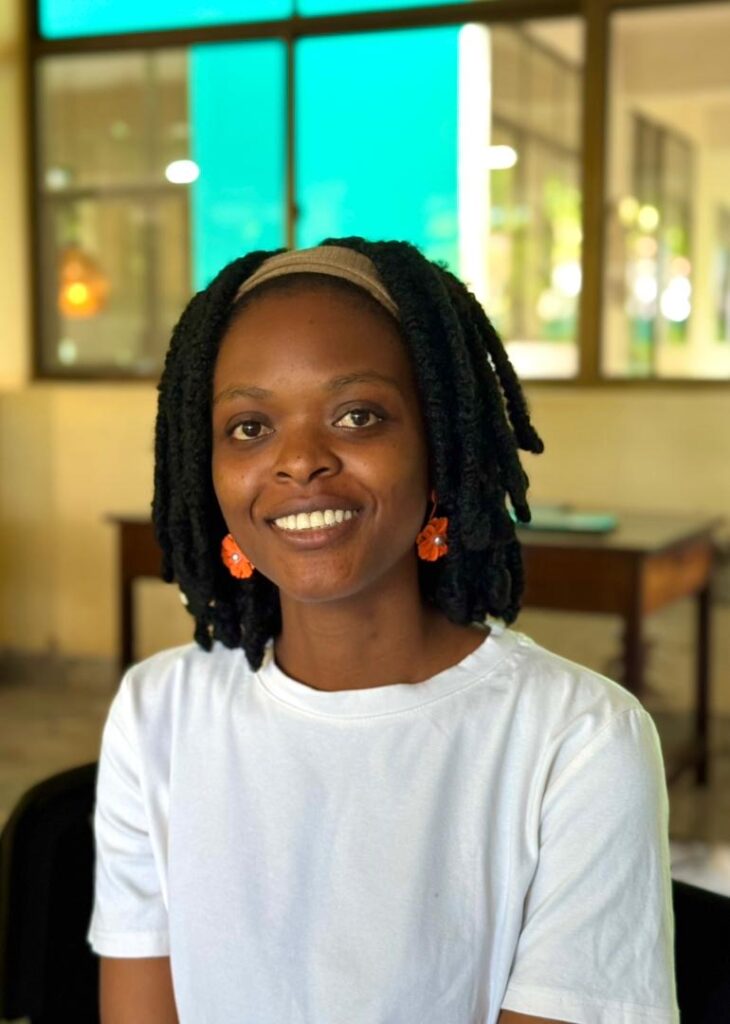
As a Kisa alumna and now a mentor at GLAMI, Jacquelene understands very well what it means to be a girl who needs guidance, support, and correct information, especially on sexual reproductive health issues. These sessions once supported her in making informed decisions about her body and health when she was a Kisa Scholar. Today, she is helping other girls do the same.
Now, every time she walks into a classroom filled with Kisa Scholars, she sees something powerful. The girls are always ready to learn. They are curious. They want to understand their bodies. And most importantly, they are not afraid to ask questions when they feel safe.
For Jacquelene, being a mentor is not only about teaching. It is about creating a space where girls can talk openly about things that are usually difficult to discuss, especially sexual and reproductive health.
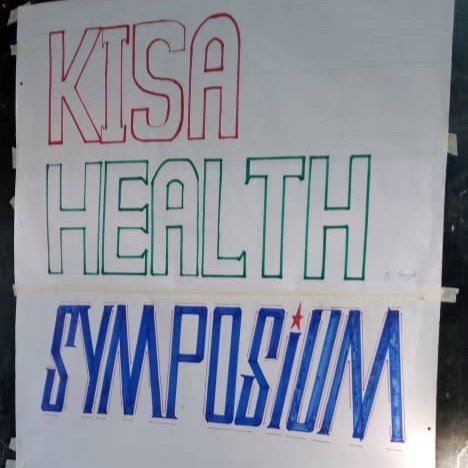
She remembers how these conversations used to happen when she was still a scholar. At that time, health sessions were conducted only once a year and were called Health Symposiums. GLAMI organized a full-day session where scholars from different partner schools came together to learn from health experts. During these sessions, girls learned about menstruation, sexually transmitted infections, reproductive health, and how to make safe decisions.
The day was always meaningful. The girls were excited to meet other scholars. They asked questions. They learned new things. And many of them left feeling more confident. However, it was only a one-time activity each year, even though it was impactful.
One Kisa alumna, Adina, shared her experience: “It was a new experience being outside my school and meeting other Kisa Scholars and mentors. I learned many new things that day. I used to think oral sex meant sending sexual messages, but I later learned that it was not.”
Even though the symposium helped many girls, GLAMI noticed something important. One day was not enough. There were too many girls in one room, and not everyone had the chance to ask questions. Some girls stayed quiet even when they wanted to speak.
That is when everything began to change.
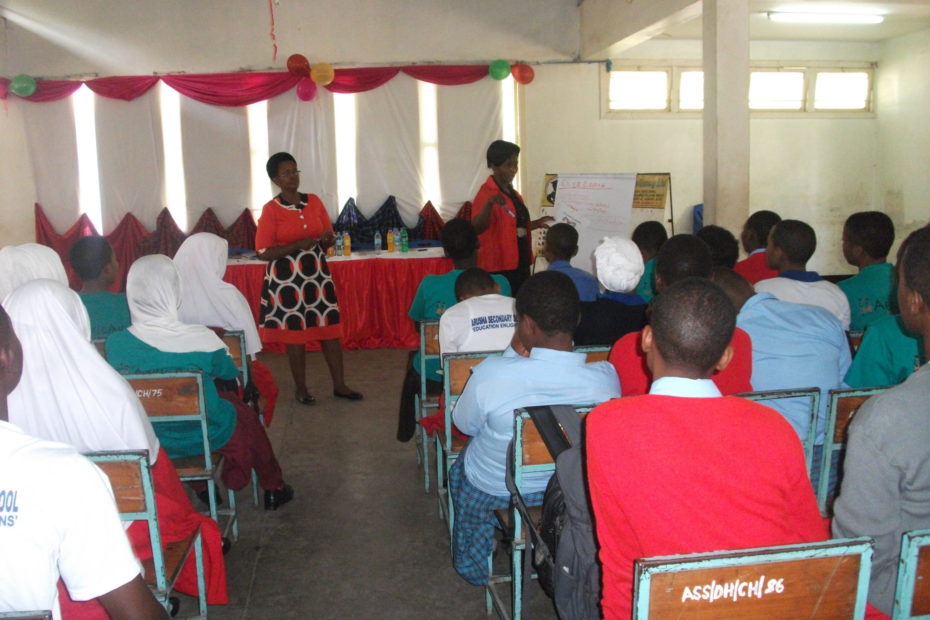
Today, instead of one large symposium, GLAMI organizes Health Sessions in smaller groups at partner schools. These sessions are conducted once every quarter, meaning scholars now learn four times a year.
With smaller groups, scholars now have the time and comfort to ask questions freely and gain a deeper understanding of their bodies and the changes they go through. Most importantly, they are learning from mentors who are trained to guide girls on health issues. Many scholars have become more confident in seeking support when facing reproductive health challenges. They are also becoming more aware of how their bodies function and are now better prepared to make informed decisions, especially when it comes to relationships.
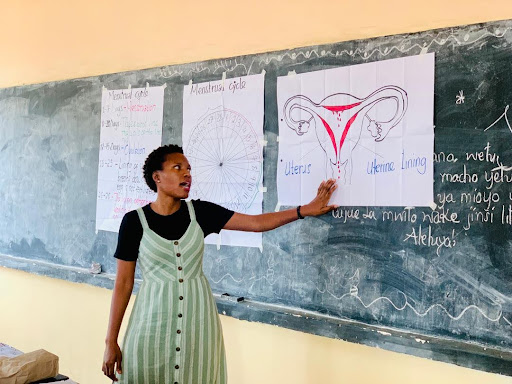
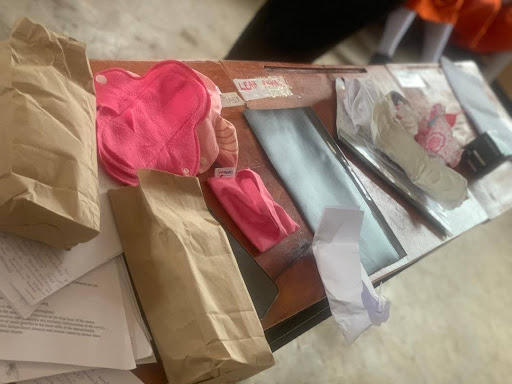
Irene, a mentor, reflected on the sessions: “It is fun facilitating the sessions because you get to learn a lot from the scholars. Many questions are raised about sexual and reproductive health.”
She has also noticed something very important. Many girls do not receive correct information at home or in their communities. Some only hear warnings, but they are not taught how their bodies work or how to make informed decisions.
She added: “Health Sessions are very important to scholars because some of them do not have correct information about health issues. Through Health Sessions, they receive the right information.”
Through these Health Sessions, girls are learning about sexual and reproductive health, menstruation, reproductive health rights, mental health, and how to take care of themselves. They are also learning that asking questions is not something to be ashamed of.
To Jacqueline, being part of this movement has been an eye-opening journey. Facilitating these sessions, she gets to see up close the curiosity and courage of girls who simply want to understand themselves better. Their questions, whether from personal experiences or things they have heard, show a genuine desire to learn.
One scholar said: “This session is so powerful because it talks about our real life as young girls.”
Another scholar shared: “There are questions we usually ask each other that we never got answers to, but now we have clarity.”
Another said: “Today I felt so good because I managed to see pictures that helped me understand different sexually transmitted diseases. The best part is that our mentor was not shy to explain and show these images. I felt very comfortable learning from her.”
Another scholar also shared: “The mental health session helped me understand how the mind works. Our mind is very important because it helps us understand feelings like happiness, pain, and sadness. We also learned how to reason with others and not judge them.”
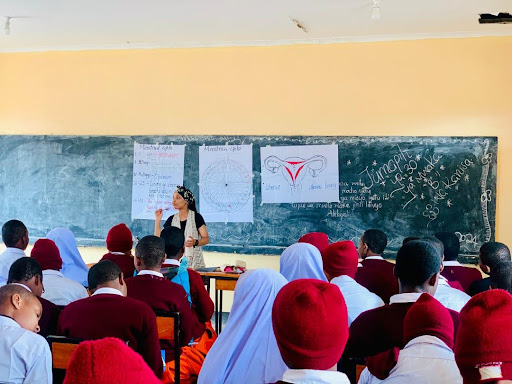
What Jacquelene has seen through these sessions is something very important. Even though sexual and reproductive health is included in the Tanzanian school curriculum, many girls still grow up without clear and correct information. In many families and communities, these topics are still surrounded by fear, silence, and myths.
Because of this, many girls only receive warnings instead of guidance. They are told what not to do, but they are not helped to understand their bodies, their health, or how to make safe and informed decisions.
That is why these Health Sessions matter so much. They are not only teaching information. They are building confidence. They are giving girls the courage to ask questions. And they are helping them make choices that support their dreams and their future. Step by step, these sessions are helping them grow into informed, confident young women who are ready to reach their goals.