Career Guidance | Binti Shupavu | 30th September 2025
Career guidance should not begin when a student is about to finish school, it should begin the moment young people start dreaming about their future. From an early age, children imagine who they want to become, yet many of them grow up without the guidance that helps those dreams become clear and possible. Without support, confidence slowly turns into uncertainty, and school becomes more about passing exams than preparing for the future.
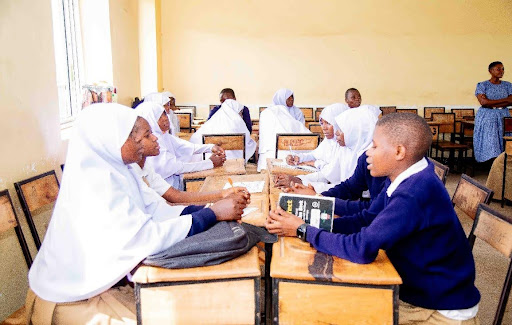
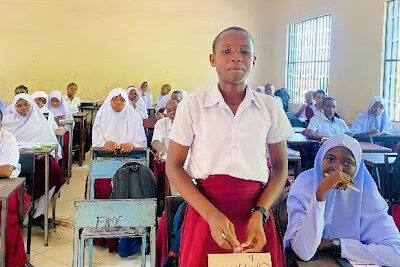
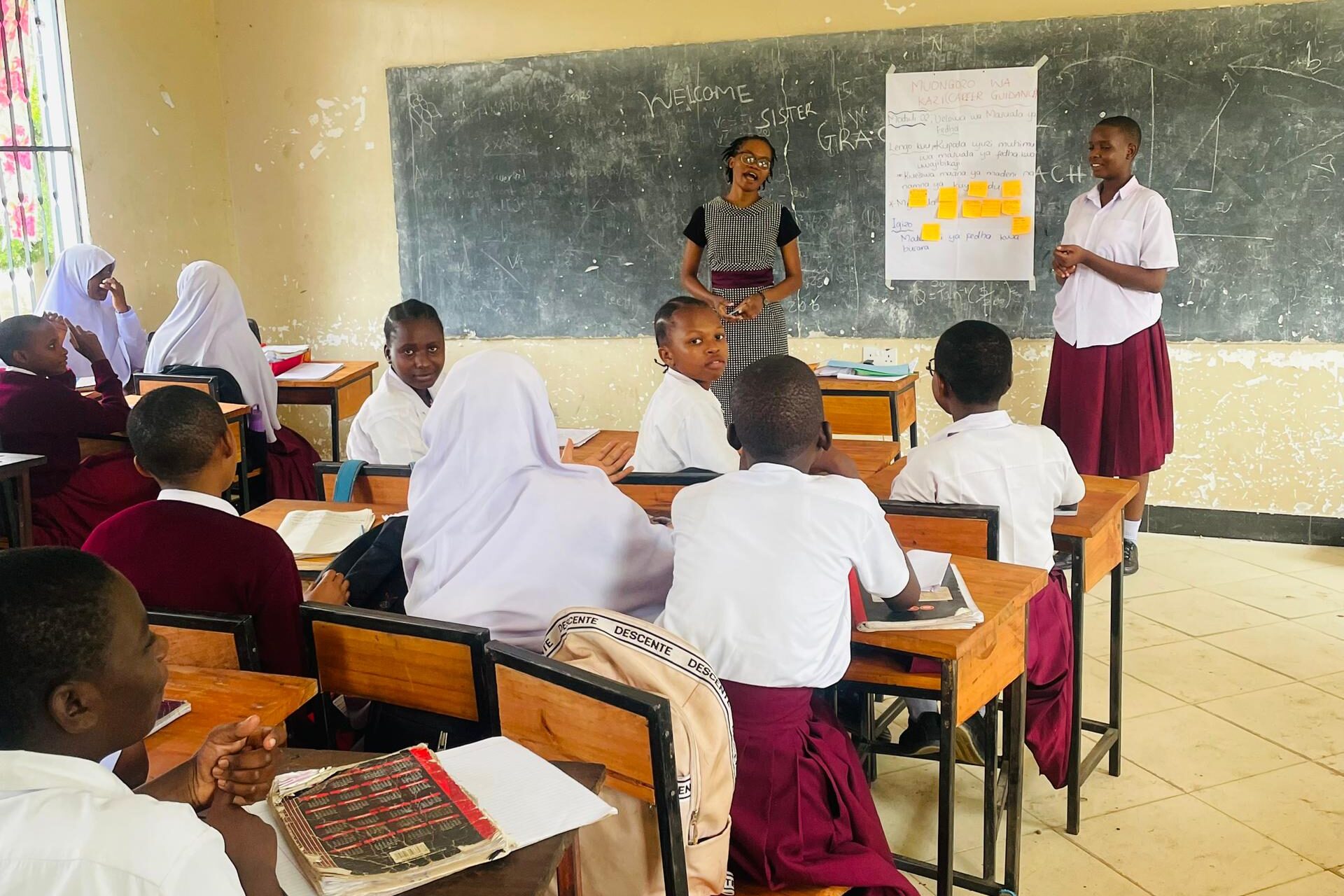
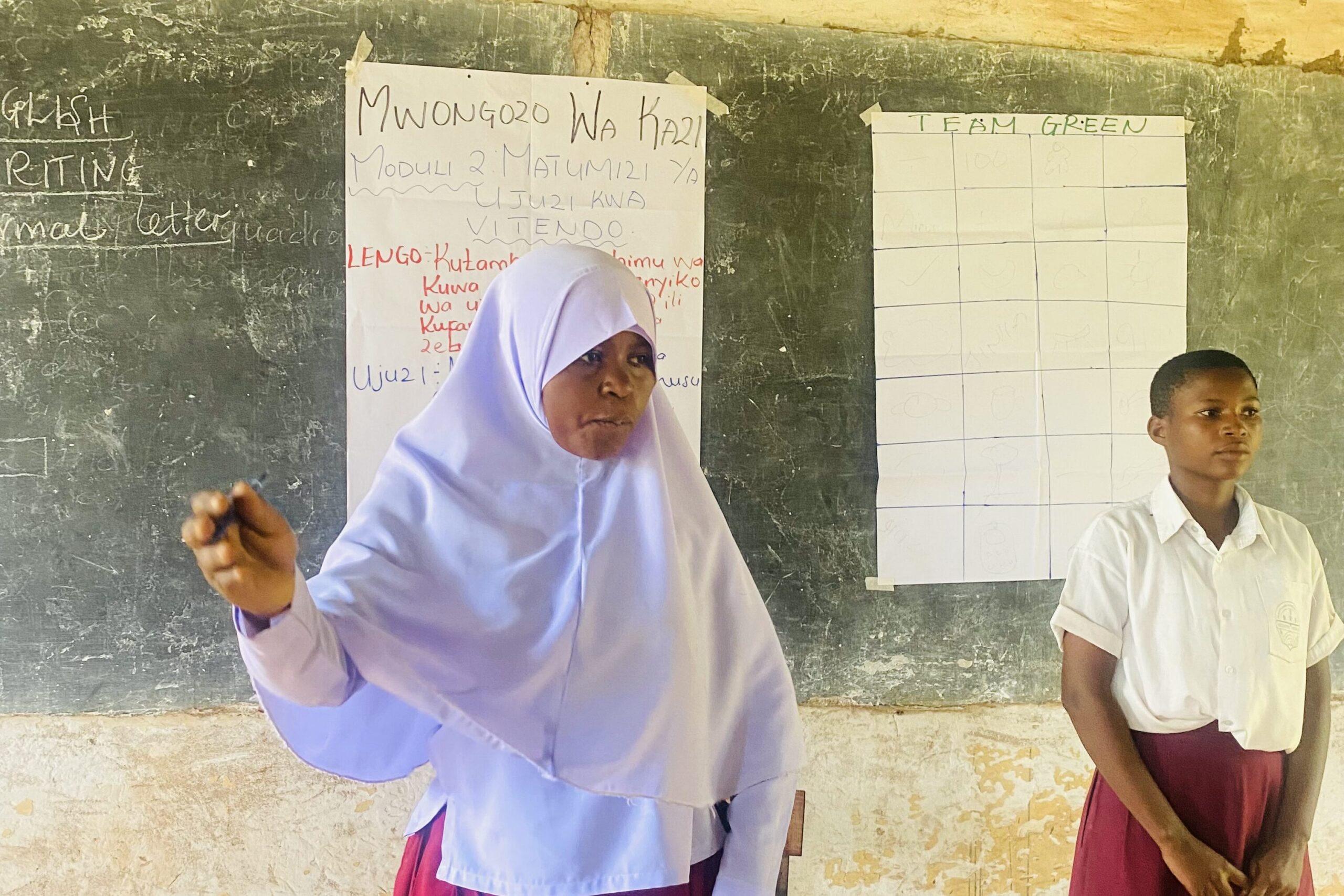
At GLAMI, the Binti Shupavu four-year life skills course ensures girls in lower secondary school are guided step by step to understand who they are and who they can become. Every year, they participate in career guidance sessions that help them discover their strengths, explore different career paths, and build the confidence to dream bigger. Instead of waiting until the final year of school, the program supports girls from the very beginning and continues to walk with them as their goals grow clearer and stronger.
Career Guidance Sessions at Binti Partner Schools
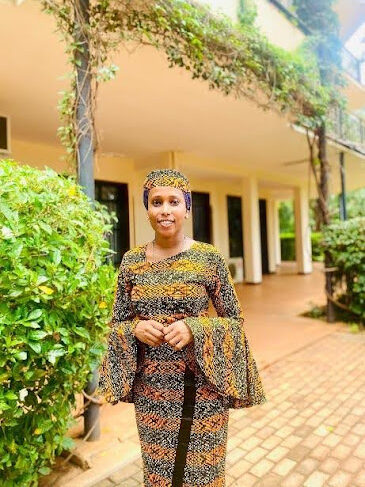
One of the people who understands the importance of early career guidance is Deborah, GLAMI’s Communications Manager. When she reflects on her own journey, she often remembers how many dreams she had when she was young and how little guidance she received as she grew older. Like many girls, she once believed she could become anything, but as the years went on, school focused more on academic performance than on helping her understand her future. Her story reflects the reality of many girls who move through school without the support they need to confidently choose a career path.
She said, “I remember when I was in primary school and was very young, many people, including my teachers, always wanted to know who I wanted to be in the future. My goals varied every time I was asked that question. Sometimes I wanted to be an air hostess, then a pilot, and sometimes I just wanted to be a stay-at-home mum. At that time, everything around me was interesting.”
However, when she grew a little older and joined lower secondary school at the age of 13, things changed. “I got no such questions anymore. Everything at secondary school was more about academics, exams, tests, remedial classes, and constant reminders like ‘You should perform better.’ Very few people were interested in who I wanted to be in the future. There were no questions, just the protocol of ensuring we did well in exams. The more you performed, the more likely you were to study science or business and be marked as a ‘genius.’”
She added, “Yes, I wanted to be an accountant, but I never truly envisioned what that meant. I didn’t know what courses to study at university or what to do when my Form Four national exam results came out and I had failed. I didn’t know which university to attend, or how I could get a job after upper secondary school or even to move around all that. I wanted a future that I could literally never sketch.”
Later, Deborah studied a degree in Information, Communication and Technology with Management at a University in Morogoro – Tanzania. She then graduated, and became a Communications Manager. She said, “I enjoy every part of my career. It reminds me of my Form Four results, where I scored a B in English Grammar and another one in English Literature. At that moment, I never knew how applicable it would be in my life today. I also remember the feedback I received from people saying I had good presentation and writing skills, and how my classmates cheered when I did well during communication presentations.”
Deborah believes that if she had been fully supported in secondary school to understand and explore her interests, she might not have had to study business in her final two years of lower secondary school, or spend additional two years on Economics, Commerce, and Accountancy. Clear guidance would have helped her focus on courses related to what she loved and enjoyed doing, where her strengths could be invested on. Despite the challenges, she persisted and found her path.
Deborah’s story shows how critical career guidance is, especially for girls who often face unique barriers to education and opportunity. This is one of the reasons why career guidance is included in the Binti Shupavu Program, integrated throughout the four years of the program to support girls as they grow and explore their aspirations.
In the first year of the career guidance sessions, girls learn to discover themselves and understand careers. They explore the importance of education and the education system, set goals, and identify their strengths. They also have the opportunity to learn from experienced career experts. These first sessions help scholars begin to see how school connects to their dreams. In the second and third years, scholars develop skills through career research, career focus, and planning. In the final year, Binti scholars explore post-secondary options such as A-Level studies, vocational training, diploma programs, and university degrees, and they prepare for the transition to higher education or the workplace. They also gain workplace readiness through resume writing, interview preparation, and job application skills.
Deborah’s story perfectly shows the importance of career guidance: “I often think about how different my journey could have been if I had been supported in secondary school to know who I really wanted to be, how to become that person, and who to ask for guidance. I was interested in business, but I was not capable of it at that time because I lacked the skills and preparation I needed. Would I have still pursued it without knowing how to succeed, or would I have found a path that truly matched my strengths? It took many experiences and a lot of self-discovery for me to realize that Information Technology and Communications was what I truly enjoyed. I now appreciate the value of guidance for young people. Having support earlier could have made my path clearer and my dreams easier to reach.” Career guidance through the Binti Program helps girls avoid this uncertainty.
Scholars even shared how impactful these sessions have been.
One scholar testified and said, “I wasn’t sure of who I wanted to be in the future, these sessions have helped me know that I want to be a teacher and I should be confident enough to even ask teachers from our school on how they managed to be teachers.”
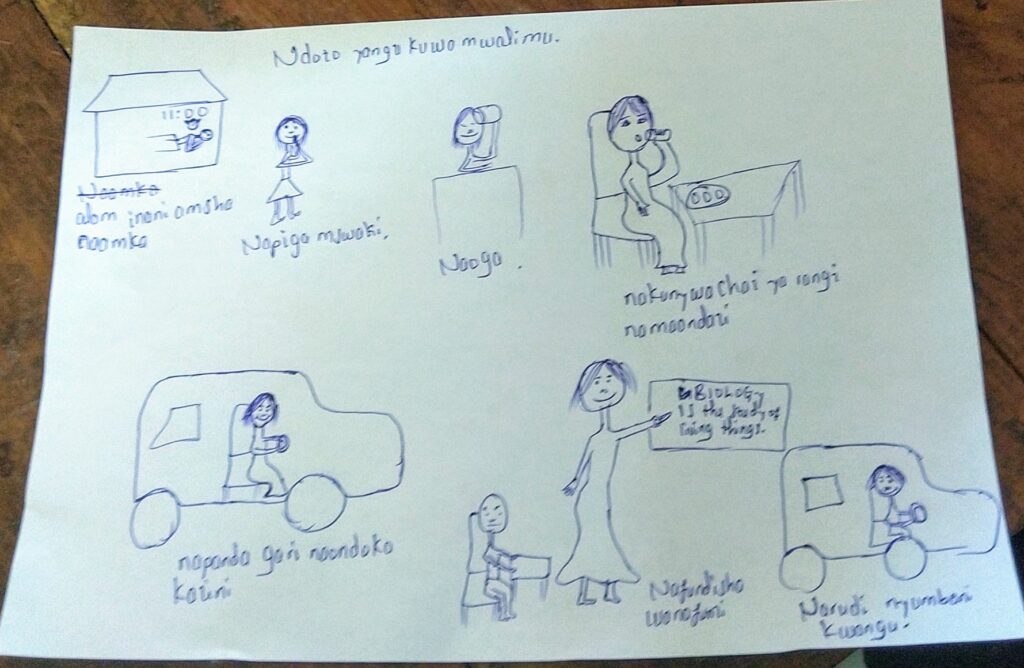
Another one said, “Career Guidance has motivated me to study hard so that I can achieve my dreams. I want to become a lawyer.”
Another one added saying “ Today’s session have made me more aware of what combination I should choose for my upper secondary school so as to become a Teacher. The RIASEC test we did made it easy for me to understand who I am, what I am capable of doing and how I can connect it to who I want to be in the future. ”
Deborah’s journey, and the Binti Program Career Guidance that supports girls today, show that early, continuous, and guided career support can transform uncertainty into purpose and achievement.