
GLAMI Staff | Peer Learning | 25th July 2025
Formal training provides essential knowledge, but it’s often challenging to apply everything immediately. That’s where a culture of peer learning shines—quick, practical guidance from colleagues who’ve faced the same challenges, helping you put lessons into practice right away.
Now, picture this: you’re stuck on something, maybe figuring out a new tool or navigating a confusing process, then a colleague leans over and says, “I’ve dealt with that too. Want me to show you how I usually do it?” In five minutes, you’re not only back on track, but you’ve also picked up a few helpful tricks no formal training ever mentioned. That’s the culture of peer learning. It’s one of the most effective ways to learn at work, even if it rarely gets the spotlight.
At its core, a culture of peer learning is about people teaching and learning from each other in the flow of work. It’s casual, practical, fun, and often spontaneous. It doesn’t have to involve certificates, PowerPoint slides, or scheduled workshops (though those can help). Instead, it’s rooted in real experience, shared openly between colleagues who understand what you’re dealing with because they’ve been there too.
The beauty of a culture of peer learning is that it removes the pressure that often comes with formal learning. When you learn from a coworker practically, it feels more like a conversation than a lecture. You’re more likely to ask questions, admit confusion, and explore new ways of thinking because the environment is relaxed and non-judgmental. There’s no performance, just people helping each other succeed.
What makes a culture of peer learning so powerful is how quickly it builds trust and connection within teams. When people regularly share what they know, it creates an environment where learning isn’t just a task—it’s a natural part of daily work. Knowledge is no longer something to hoard, but something to pass on, and that small shift in mindset can transform how a team functions.
Another often overlooked benefit is how much the facilitator—the staff member leading the session—gains as well. Explaining what you’ve learned forces you to organize your thoughts, identify gaps in your own understanding, and strengthen your confidence. Often, the person teaching ends up learning just as much as the person receiving the guidance.
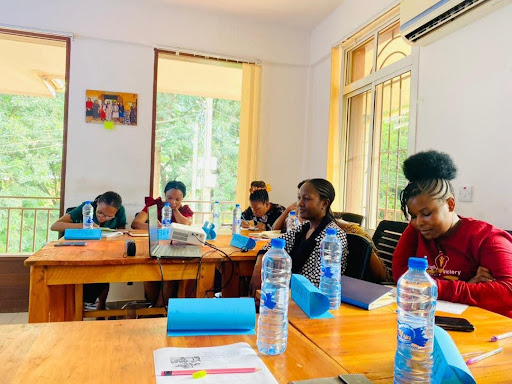
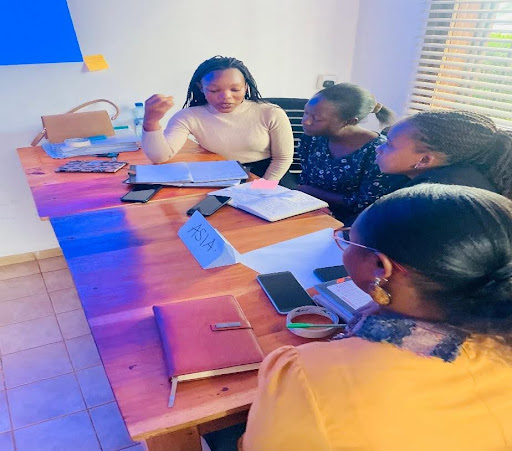
n workplaces that embrace a culture of peer learning, you’ll often see greater adaptability, faster problem-solving, and stronger collaboration. It doesn’t replace formal training; it complements it with the kind of learning that naturally happens when people work closely together.
Our team’s feedback concerning the peer learning culture shows its impact clearly : “I was eager to learn about how to write reports since it’s something I had been struggling with, and thanks to my colleagues, I have improved a lot in professional report writing.” – Rehema Nyamahanga, GLAMI Social Worker. Bertha, GLAMI Program Mentor added “I have taken peer learning very seriously and due to that, it has been a great platform to learn from my colleagues while at the same time reflecting on better ways of growth through what was being shared”. Sweetberth also added, “My confidence in presenting and speaking has increased so much and it makes me happy to keep on growing on stages and public speaking. Especially whenever I need to teach my colleagues something that I recently learned or knew something that they were struggling with and didn’t know how to get around.”
These stories show that a culture of peer learning isn’t just about transferring knowledge, it’s about building confidence, fostering collaboration, and creating an environment where learning becomes part of everyday work. By sharing skills and supporting each other, our team grows together, and everyone benefits.
So, the next time you figure out something useful—a new tool, a shortcut, or a mistake to avoid—don’t keep it to yourself. Share it with someone. A quick five-minute chat or an hour of guidance could save many hours of trial and error. And who knows? The next time you’re stuck, they might be the one who says, “Want me to show you how I do it?”
That’s the quiet power of a culture of peer learning: no big fanfare—just people helping each other and improving together. It’s a simple yet transformative way to build skills, confidence, and stronger connections within teams. When knowledge flows naturally from colleague to colleague, everyone grows, and the team becomes more adaptable, collaborative, and ready to tackle challenges as they come.